System migration
ColdFusion Migration Services


The Overview
What is ColdFusion Migration?
ColdFusion migration is the process of moving an application from Adobe ColdFusion to a different platform, framework, or technology stack.
A migration project may involve rewriting portions of an application, replacing supporting infrastructure, modernizing integrations, improving security, and redesigning portions of the user experience.
The goal is not simply to move technology from one platform to another. The goal is to preserve valuable business functionality while creating a foundation that better supports future requirements, security expectations, scalability needs, and long-term maintainability.
Critical Triggers
Migration is rarely driven by a single issue. More often, organizations reach a point where growing technical debt, increasing maintenance demands, and evolving business requirements make it clear that the current environment is holding them back.
Platform Consolidation
Many businesses support multiple technology stacks across departments, business units, or acquired companies. Migrating a ColdFusion application may provide an opportunity to standardize on a smaller set of platforms, simplifying support, governance, and long-term development practices.
Architecture & Scalability Constraints
Business Transformation Initiatives
Major changes to business processes, customer experiences, or operational workflows often create an opportunity to reevaluate existing technology platforms. Rather than simply rebuilding what already exists, organizations may use migration as a way to create a stronger foundation for future growth and innovation.
Cloud Adoption and Infrastructure Goals
Tactical options
Many assume migration is the natural next step for an aging ColdFusion application.
In reality, it's one of several viable options, and the best path depends on the application's business value, technical condition, and long-term goals.
Continue Maintaining
Continuing to maintain your existing ColdFusion application may be the right approach when the system is running on a supported version, continues to meet business needs, and does not require major technology or process changes. This option works best when ongoing maintenance and support requirements remain manageable.
Migrate Platforms
Migration may be appropriate when an application is facing significant architectural or scalability limitations, or when broader business and technology changes require a new foundation. It can also support platform consolidation, standardization initiatives, or situations where modernization alone is unlikely to deliver the desired long-term outcome.
Modernize In-Place
Modernization is often a good fit when the existing application still meets core business needs but requires improvements to security, performance, usability, or integrations. This approach can extend the useful life of the application while allowing teams to make targeted improvements with less risk and disruption than a full migration.
migration options
Common ColdFusion Migration Approaches
Not every ColdFusion migration follows the same path. The right approach depends on your organization's technology goals, existing systems, long-term support requirements, and the role the application plays within the business.
Organizations that have standardized on Microsoft technologies often evaluate .NET as a migration destination. Migrating to .NET can help align application development with existing Microsoft infrastructure, development practices, and internal technology strategies while creating opportunities for future growth and integration.
Common considerations:
- Microsoft ecosystem alignment
- Integration with existing business systems
- Long-term platform standardization
- Modern development and deployment practices
Laravel is a popular PHP framework known for its flexibility, extensive developer ecosystem, and strong support for modern web application development. Organizations may consider Laravel when seeking a highly customizable platform that supports long-term maintainability and future enhancement efforts.
Common considerations:
- Large developer community
- Flexible application architecture
- Strong ecosystem of tools and integrations
- Broad availability of development talent
Not every migration needs to happen all at once. Many organizations reduce risk by migrating functionality incrementally, allowing legacy and modern systems to operate side-by-side while new capabilities are introduced over time.
This approach can help preserve business continuity, reduce operational disruption, and provide opportunities to validate functionality throughout the migration process rather than relying on a single large-scale cutover.
Common considerations:
- Reduced implementation risk
- Business continuity during migration
- Incremental delivery of value
- Easier testing and validation
Not sure which migration path makes the most sense?
The best migration destination depends on your application's architecture, business requirements, integration needs, and long-term technology goals. In some cases, modernization may provide greater value than migration. In others, a phased migration strategy may offer the lowest-risk path forward. A thorough assessment can help identify the approach that best aligns with your organization's objectives.
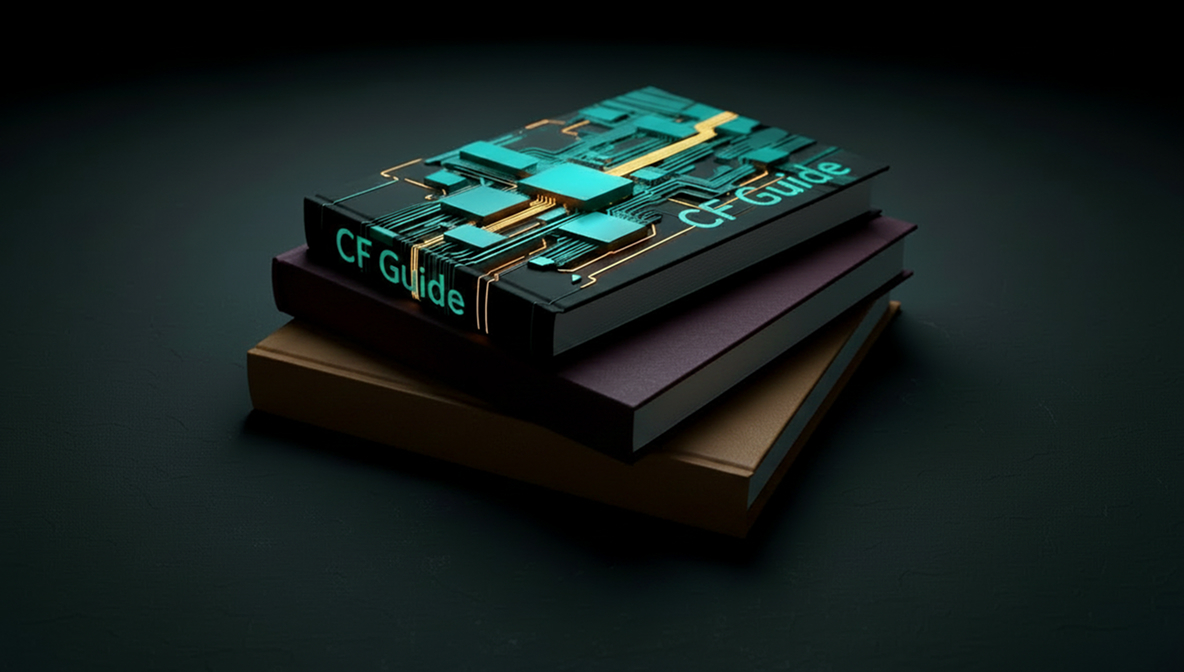
Featured resource
The ColdFusion Development and Modernization Guide
Wondering whether maintaining, modernizing, or migrating your ColdFusion application makes the most sense? Our guide explores:
- Signs an application may need modernization
- Common modernization approaches
- Migration considerations
- Cost and risk factors
- How to evaluate next steps
Proven Methodology
What to Expect During ColdFusion Migration
Successful migrations are rarely about moving code from one platform to another. They're about understanding what the application does, why it exists, and how to preserve the parts that still provide value while creating a stronger foundation for the future.
01
Discovery & Assessment
Every successful migration starts with understanding the application, the business processes it supports, and the dependencies that could impact a transition. A thorough assessment helps identify risks, opportunities, and potential migration challenges early.
02
Migration Strategy & Planning
Once the current environment is understood, the next step is defining a practical path forward. This includes evaluating migration approaches, prioritizing objectives, and building a roadmap that aligns technical goals with business realities.
03
Incremental Development & Validation
Migration is often performed in stages rather than as a single large project. Incremental delivery helps reduce risk, validate progress, and ensure critical functionality continues meeting business needs throughout the transition.
04
Launch & Ongoing Support
Migration is an important milestone, but it's usually not the end of the journey.
Once the new platform is in place, teams can continue refining workflows, improving user experiences, expanding integrations, or addressing opportunities that were difficult to tackle previously.
We solve it
Why AVIBE?
More importantly, our role is to help you understand the tradeoffs between maintaining, modernizing, and migrating your application so you can make an informed decision based on your organization's long-term goals.
Adobe ColdFusion Partner
As an Adobe ColdFusion Solution Partner, AVIBE has access to the resources, tools, and platform expertise needed to help organizations maintain and modernize ColdFusion environments effectively.
Frequently asked questions
Everything You Need to Know
Get in Touch
Considering a ColdFusion Migration?
Understanding your options is the first step.
Whether you're evaluating a move to .NET, Laravel, or simply trying to determine whether migration is the right strategy, AVIBE can help you assess your application, identify risks, and develop a practical roadmap forward.